
Lead Generation for Contractors: Where the Good Jobs Actually Come From
2026-09-29 · by Lin Zeri
Most contractors don't have a lead problem. They have a qualification problem. The phone rings, but it's a $300 repair when the crew wants a $40,000 kitchen, or a price shopper who has already called five other companies. Getting more leads at a lower price is the easy goal to chase, and it's usually the wrong one.
The better question is where the jobs you actually want come from, and what each channel really costs you in time, money and bad fits. This guide ranks six sources of contractor leads, from Google Maps to the customers you already served, and ends with a way to decide which ones deserve your budget first.
Key Takeaways
- Fewer leads that match your job size beat a pile of cheap leads that don't. Measure each channel by booked jobs you wanted, not by cost per lead alone.
- Google Business Profile signals account for 32% of local pack ranking (Whitespark, 2026). Maps is the cheapest channel to fix first.
- Local Services Ads charge per valid lead, not per click, and Google screens advertisers by category and region (Google, Local Services Help).
- Lead marketplaces can be a fit, but you need to know whether the lead is exclusive or shared before you pay for it.
- Past customers and referrals cost the least to work and are the most ignored.
Why Is Lead Quality a Bigger Problem Than Lead Volume?
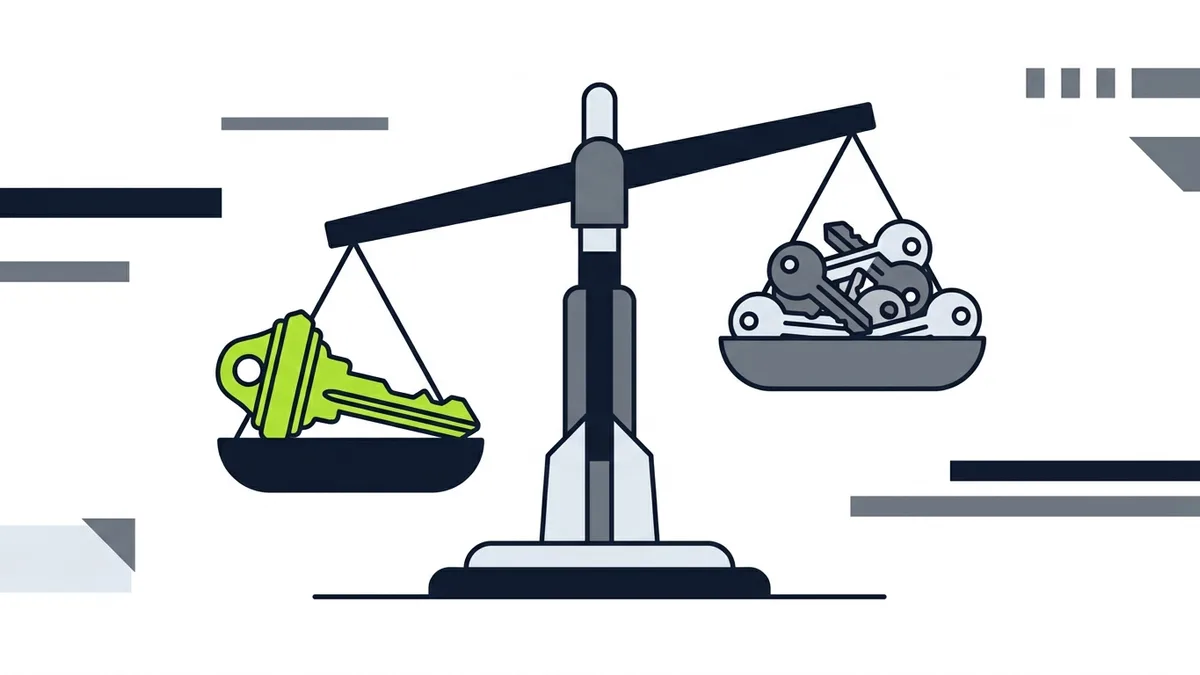
A lead is only worth what the job behind it is worth, multiplied by the odds you close it. That sounds obvious, but most contractors judge a channel by the cheapest cost per lead, which quietly rewards the channel that sends the smallest jobs.
Here is illustrative arithmetic, not market data. Say you take a lead at $60 and close one in five. That's $300 of lead cost per job won. Now say a different channel sends leads at $150 and you close one in three. That's $450 per job won. The first channel looks cheaper until the jobs come in at $1,500 instead of $15,000. Cost per won job against the revenue of that job is the number that matters.
Three things push lead quality up or down, whatever the channel:
- Job size filter. Does the ad, listing or page make it clear what you do and don't take? A homeowner who reads "whole-home remodels" won't call about a leaky faucet.
- Location filter. Are you buying clicks and calls from towns you won't drive to?
- Intent filter. Is the person ready to hire, or just collecting ballpark numbers?
Keep those three in mind as you read the channels. Each one handles them differently.
1. Google Maps and Your Business Profile
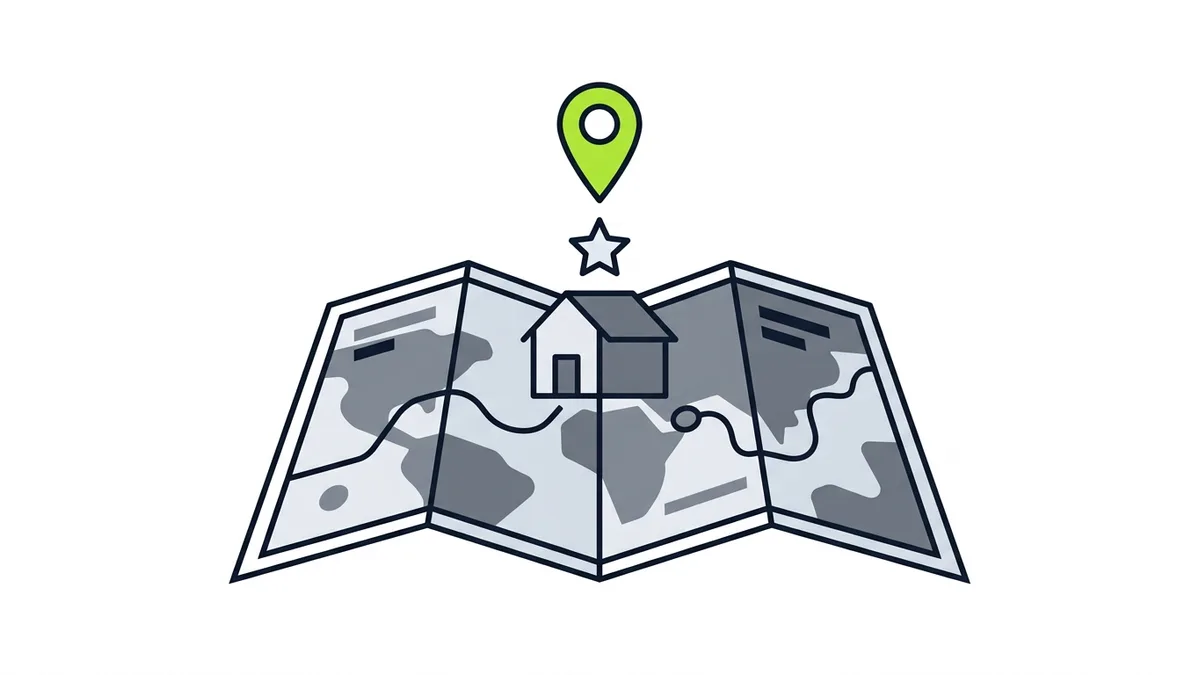
When a homeowner searches "roofer near me" or "kitchen remodeler" and sees three businesses on a map, those three are the first businesses the homeowner sees. That map block is the local pack, and your Google Business Profile is the main thing that feeds it.
In Whitespark's 2026 survey of 47 expert local SEOs, Google Business Profile signals accounted for 32% of local pack ranking, with review signals at about 20% (Whitespark, 2026, accessed Sep. 2026). These are expert estimates, not a Google statement, but the direction is consistent: your profile and your reviews carry the most weight.
For contractors, a few specifics:
- Pick the category that matches the work you want. A "General Contractor" listing and a "Kitchen Remodeler" listing attract different searches.
- Show finished work. Before-and-after photos from real jobs, taken on a phone, do more than stock images. Add them after each project.
- Set the service area honestly. List the towns you will actually serve.
- Make reviews specific. Ask the customer to mention the type of project and the town. It helps future customers self-qualify.
Reviews also act as your closing tool. In 2026, 31% of consumers said they will only use a business rated 4.5 stars or higher (BrightLocal, 2026, accessed Sep. 2026). That's a survey preference, not observed behavior, but for a high-ticket service where the customer is letting a crew into the house, the rating is part of the sales process.
Cost: mostly your time. It's the first thing to fix. The full steps are in the Google Business Profile optimization checklist, and the broader strategy is in the local SEO guide for service businesses.
2. Local Services Ads
Local Services Ads (LSA) are the ads with the badge at the very top of Google results for many home service searches. The model is different from regular Google Ads. According to Google's help page, "You still only pay for valid leads (such as phone calls and messages) rather than ad clicks" (Google, Google Ads Help, accessed Oct. 2026).
Things to know before you sign up:
- Screening is real. Google says businesses advertising directly "undergo screening procedures that vary by category and region but may include license, insurance, and background checks" (Google, Local Services Help, accessed Oct. 2026). Confirm your trade and city qualify before you plan around LSA.
- Lead prices are set by competition. Google explains that "When similar local businesses bid on the same lead, those bids determine how much the lead is worth," and that a higher weekly budget can mean more leads (Google, Local Services Help, accessed Oct. 2026).
- Responsiveness affects ranking. Google warns that "If you regularly fail to answer calls or respond to messages, your ad ranking may be affected" (Google, Local Services Help, accessed Oct. 2026). If nobody picks up on job sites, LSA will punish you.
- Not every lead is a good lead. Lead prices can vary by location, job type, lead type and bidding mode, and you can dispute a poor lead through the Feedback Survey (Google, Local Services Help, accessed Oct. 2026).
LSA is also in transition. Google is moving select home and storefront service advertisers in the United States into Google Ads campaigns with pay-per-lead goals, in phases, so what your account looks like depends on where you are in that rollout (Google, Google Ads Help, accessed Oct. 2026).
LSA can put you in front of people ready to hire, but it can't be tuned for job size as precisely as search ads. For a side-by-side look, read Local Services Ads vs Google Ads.
3. Google Search Ads
Search ads let you choose the exact words someone typed. That's the biggest advantage for a contractor who wants a specific type of job, because you can aim at "bathroom remodel contractor" instead of "handyman" and keep out searches like "DIY" or "cheap."
What makes search ads good for qualification:
- Keyword choice is your filter. Match the language of the project you want. Add negative keywords for work you decline, such as "DIY," "jobs" and "free," plus the small repairs you don't take.
- Ad copy sets expectations. Say the minimum project type and the towns you serve. Some clicks will be lost, and that's the point.
- The landing page finishes the job. A page built for one service in one area converts better than sending everyone to a homepage.
On cost, don't trust blog averages. Google's own Keyword Planner is the official place to estimate average cost for a keyword in your area, and the top-of-page bid estimate shows the bid you would likely need to appear among the top ads, and it isn't a guarantee (Google, Keyword Planner and top of page bid estimate, accessed Oct. 2026). Check both before you set a budget. The full picture of spend and math is in what paid ads really cost a local business.
A remodeling job is a considered purchase. Expect people to compare, call back and take time to decide, so track leads through to signed contracts, not just form fills. If you'd like help setting this up, see our paid advertising service.
4. Lead Marketplaces

Marketplaces collect homeowner requests and sell them to contractors. Some are exclusive, and some send the same request to several companies at once. Be honest with yourself about which one you are buying.
When a lead is shared, you are in a race. The homeowner's phone can start ringing quickly, and the contractor who wins may be the one who answers first or quotes lowest. That's the opposite of what a contractor selling quality wants.
Questions to ask before you pay:
- Is the lead exclusive to me, or sent to others?
- How is "lead" defined? A form submission, a verified phone number, or a conversation?
- What happens if the contact is wrong, a duplicate, or outside my area?
- Can I set a minimum project size and a service radius?
- What do I pay when the homeowner never answers?
Marketplaces can fit if you have a crew with open capacity and a team that can call within minutes. They fit poorly if your goal is to stop competing on price. Treat them as a test with a capped budget, tracked by won jobs, not as the backbone of your pipeline.
5. Referrals, Systematized
Referrals are the source many contractors trust most, yet few have a system for them. The word-of-mouth you wait for is luck, and the word-of-mouth you ask for is a channel.
Research on customer referrals gives a hint of why they deserve attention. An analysis of more than 10 million consumers, published in Harvard Business Review in 2026, found that only 20% of new customers were referred, yet they generated more than 70% of all new-customer profits (Harvard Business Review, 2026, accessed Sep. 2026). The data came from a referral platform and consumer-facing industries, not from contractors specifically, so treat it as a signal, not a promise. The useful part is the gap: the minority of customers who arrive by referral carries a large share of profit, and most of your growth still has to come from somewhere else.
How to build a referral habit:
- Ask at the right moment. The best time is the final walkthrough, when the customer is looking at the finished work.
- Make it easy. Give them a one-sentence description of what you do that they can text to a neighbor.
- Partner with adjacent trades. A remodeler, an electrician, a plumber and a designer send each other jobs when they trust each other. Set up a short list of partners and refer to them first.
- Thank people visibly. A handwritten note or a small gift costs little and gets remembered.
6. Reactivating Past Customers
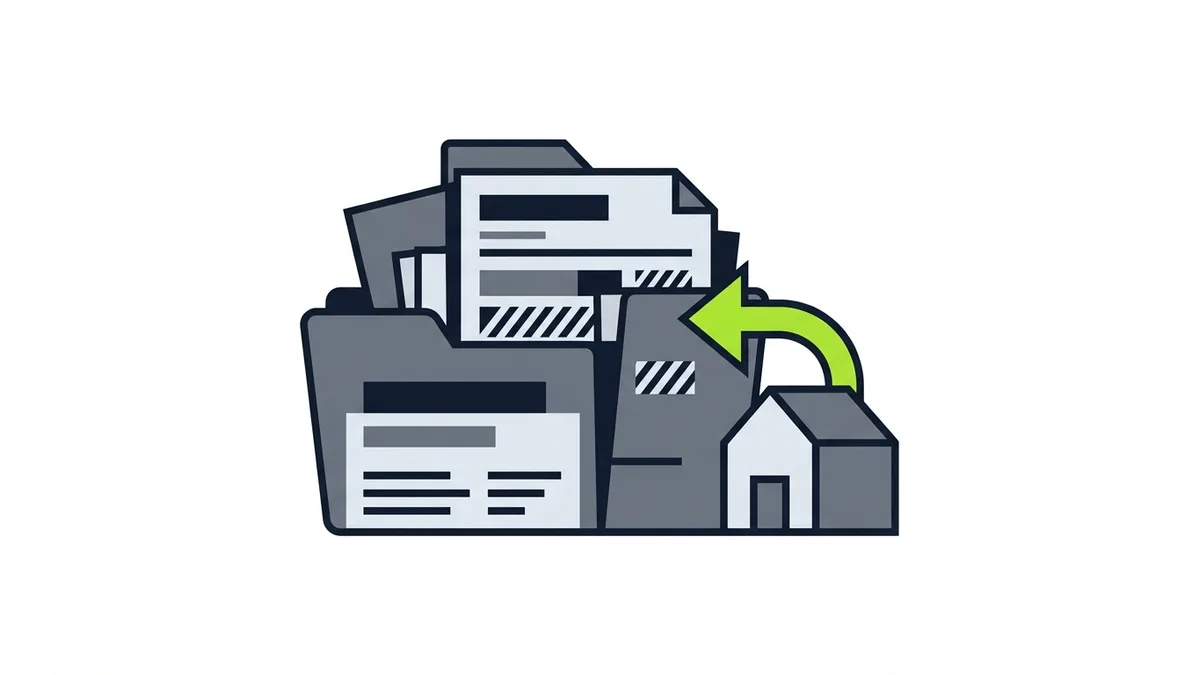
You already paid to win these people once. They know your work, they have your number, and their houses keep needing things: a deck after the kitchen, a bathroom after the roof, a repair after the install.
A simple reactivation routine:
- Build the list. Pull every past customer from invoices, texts and your phone. Name, address, what you did, and when.
- Send a useful message, not a pitch. Check in on the finished work, remind them of maintenance for what you built, and mention the next project that usually follows.
- Ask for a review while you're at it. Past customers who never left one are the easiest to convert into public proof.
- Repeat on a schedule. A message a couple of times a year to a clean list outperforms a big blast once.
This channel costs the least and rarely appears in marketing guides, because there's nothing to sell. For many contractors it's the highest-return place to start.
How Do You Qualify Leads Before They Eat Your Week?
Whatever the channel, the first conversation is where qualification either happens or doesn't. A short script saves hours:
- What are you looking to get done? This reveals the scope.
- Where is the property? Confirms the service area.
- Have you set a budget range for this project? Many contractors skip it. Asking early saves both sides time.
- When do you want to decide? Separates people planning from people browsing.
- Who else is involved in the decision? Prevents quotes that die at the spouse or the landlord.
Write the answers down for every lead, win or lose. After a while you'll see which channel sends the projects you want and which one sends the calls you hang up on. That record is more valuable than any benchmark you can read online.
Which Channel Should You Start With?
Order matters more than the count. A practical sequence for a contractor with limited time and money:
- Fix Google Business Profile and reviews. It's cheap and it supports every other channel.
- Reactivate past customers and build a referral habit. Nearly free, and they fit your best jobs.
- Add Local Services Ads if your trade and city qualify. You pay for valid leads and get a trust badge.
- Add Google Search Ads for the project types you want most. Use them when you need control over job type and area.
- Test marketplaces last, with a cap. Only if you can answer fast and the lead terms are clear.
In a competitive suburban market like Framingham, the businesses that win are rarely the ones with the biggest budget. They're the ones that make it obvious what they do, show proof, and answer the phone. Choose the channel that sends you the jobs you'd be happy to book, then give it enough data to judge it fairly.
Frequently Asked Questions
What is the best lead source for contractors?
There isn't one best source. Google Business Profile and reviews are the cheapest to fix, past customers and referrals cost the least to work, and Local Services Ads or search ads add volume. The right mix depends on your trade, your city and the size of job you want.
Are Local Services Ads worth it for contractors?
They can be, if your category and city qualify and you can answer calls and messages quickly. You pay for valid leads rather than clicks, but prices depend on competition and lead type, and responsiveness affects ranking. Confirm eligibility for your trade and location first.
Are lead marketplaces a good idea?
Sometimes. Ask whether the lead is exclusive or shared, how a lead is defined, and what you pay for bad contacts. Shared leads put you in a race with other contractors, so test with a capped budget and judge by jobs won.
How do I get higher-value jobs instead of small repairs?
Use the channel to filter. Pick keywords and categories for the project you want, state what you do and don't take in ads and on your pages, and ask a few qualifying questions on the first call. Track revenue per won job, not only cost per lead.
Can I do this without an agency?
Many owners handle Google Business Profile, reviews, referrals and past-customer outreach on their own. Paid campaigns take more setup and tracking, which is where outside help tends to pay off.
Get Your Pipeline Looked At
Tell me what kind of jobs you want more of, which towns you serve, and where your leads come from today. I'll tell you which channel to start with and what to leave alone. Free diagnosis, no deadline: send a message on WhatsApp. You can also reach out through the contact page. For another industry playbook, see marketing for cleaning companies.