Facebook and Instagram Ads for a Local Business: What to Run First
2026-10-06 · by Lin Zeri
Most local business owners who try Facebook and Instagram ads start the same way: they boost a post, watch the likes come in, and wonder why the phone is quiet. Likes are not customers. The problem is rarely the platform. It is that the first campaign was never given a job.
This guide is about giving it one. You will see how Meta ads differ from Google ads, which kinds of local offers make a sensible first campaign, what the ad itself needs, and what to measure so you know whether it is working.
TL;DR
- Facebook and Instagram ads create demand: they put your business in front of people who were not searching for you. Google ads capture demand that already exists.
- The best first campaign is a simple, local, easy-to-say-yes-to offer: a first-visit special, a free estimate, a seasonal promotion, or a booking slot.
- Judge the campaign by leads and booked jobs, not likes, reach, or clicks.
- If you answer the phone slowly or your page is hard to use on a phone, fix that first. Ads will only make the leak bigger.
Demand Creation vs. Demand Capture
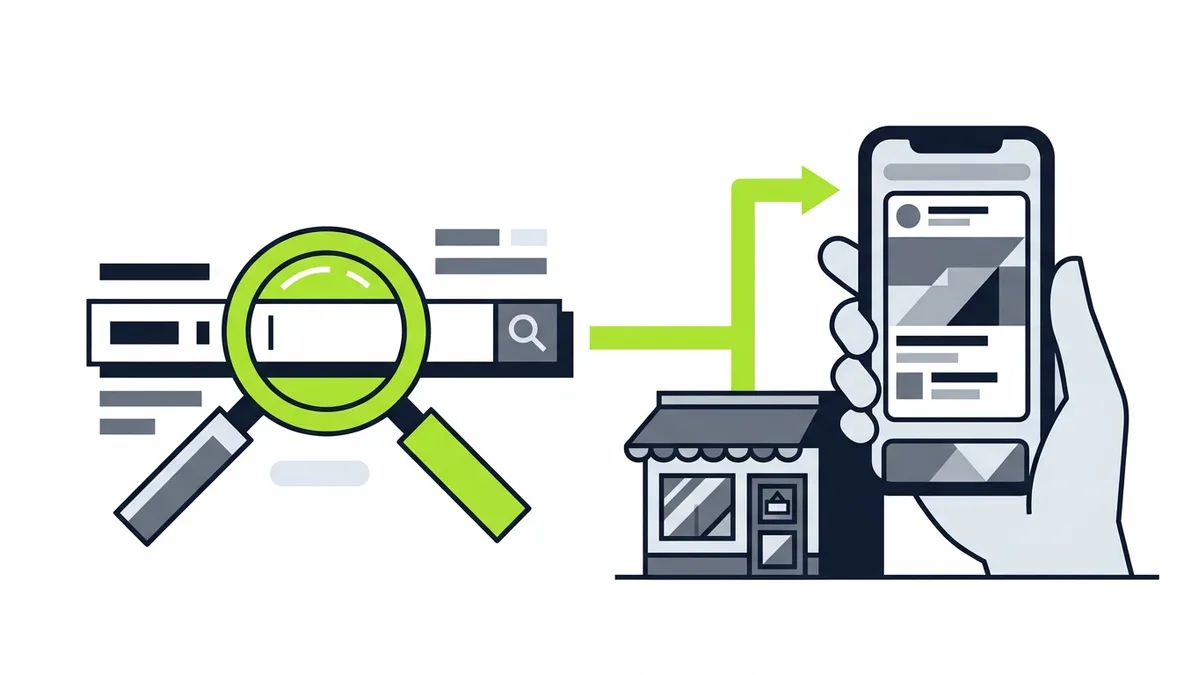
When someone types "emergency plumber near me" into Google, they already have a problem and they are looking for a solution. A Google ad answers that search. That is demand capture.
Someone scrolling Facebook or Instagram is doing something else. They are looking at photos from friends, videos, and local news. They were not looking for a landscaper, a salon, or a tax preparer. A Meta ad has to interrupt that scroll and earn attention. That is demand creation.
The two jobs are different, and so is the way you plan them. A search ad can be plain and direct because the person already wants the service. A feed ad has to give a stranger a reason to stop, understand what you do in a second, and take a small next step.
The scale of the channel is real. According to the IAB/PwC report, US social media advertising revenue reached $117.7 billion in 2025, up 32.6% year over year (IAB/PwC, 2026, accessed Sept. 2026). That is an industry-wide figure, not a budget for your business. It only tells you that advertisers are spending heavily on social feeds, which also means your ad competes with a lot of other messages.
So which channel should come first? It depends on how your customers buy. If people usually call when something breaks, search is the natural first move, and our guide to Local Services Ads versus Google Ads covers that side. If your service is visual, seasonal, or a want rather than an emergency, Meta is often a good place to start. Salons, restaurants, fitness studios, photographers, and home improvement businesses with before-and-after results tend to fit this pattern. For many businesses, the answer is both over time: search to catch urgent demand, Meta to fill the calendar and stay visible.
Which Local Offers Work as a First Campaign
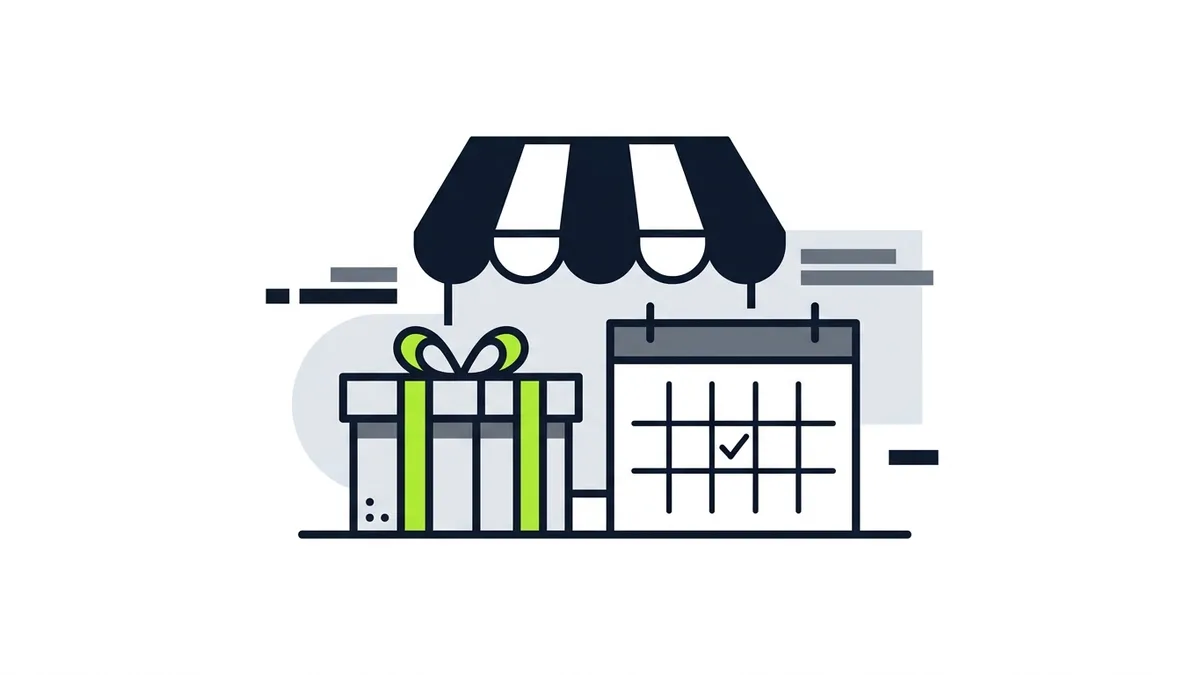
A good first campaign has one offer, one audience, and one action. The offer matters more than the targeting, because a stranger scrolling past needs a clear reason to act now.
These types of offers tend to work well for local businesses:
- A first-visit or first-job offer. A new-client special, a low-risk trial, or a bundled starter service. It lowers the risk of trying you for the first time.
- A free estimate or free assessment. Useful when the job needs a look before pricing, such as landscaping, remodeling, painting, or pest control. It asks for a small commitment.
- A seasonal promotion. Spring cleanups, back-to-school appointments, holiday gift cards, or pre-winter tune-ups. The season gives people a natural reason to act now.
- A limited booking window. An honest "we have openings" message, only when it is true. Never invent scarcity.
- A showcase of finished work with a clear next step. Before-and-after photos, a finished kitchen, a fresh haircut, a clean office, followed by a simple "message us to book."
Avoid sending a first campaign to a generic "learn more" page, and avoid selling your most expensive service to people who have never heard of you. A cold audience rarely buys a large, complicated job from a single ad. A smaller first step builds a conversation, and the conversation is where the sale happens.
Be specific about the area, too. A local business has a local market. Keep the geography tight and say it in the ad, for example the neighborhood or city name, so the right people recognize that the ad is for them. If your customers speak more than one language, one ad in English and one in Spanish or Portuguese is a better test than a single translated message. Write each one for the people who will read it, not as a word-for-word copy. Our guide on marketing to multilingual customers goes deeper on this.
What the Ad Itself Needs
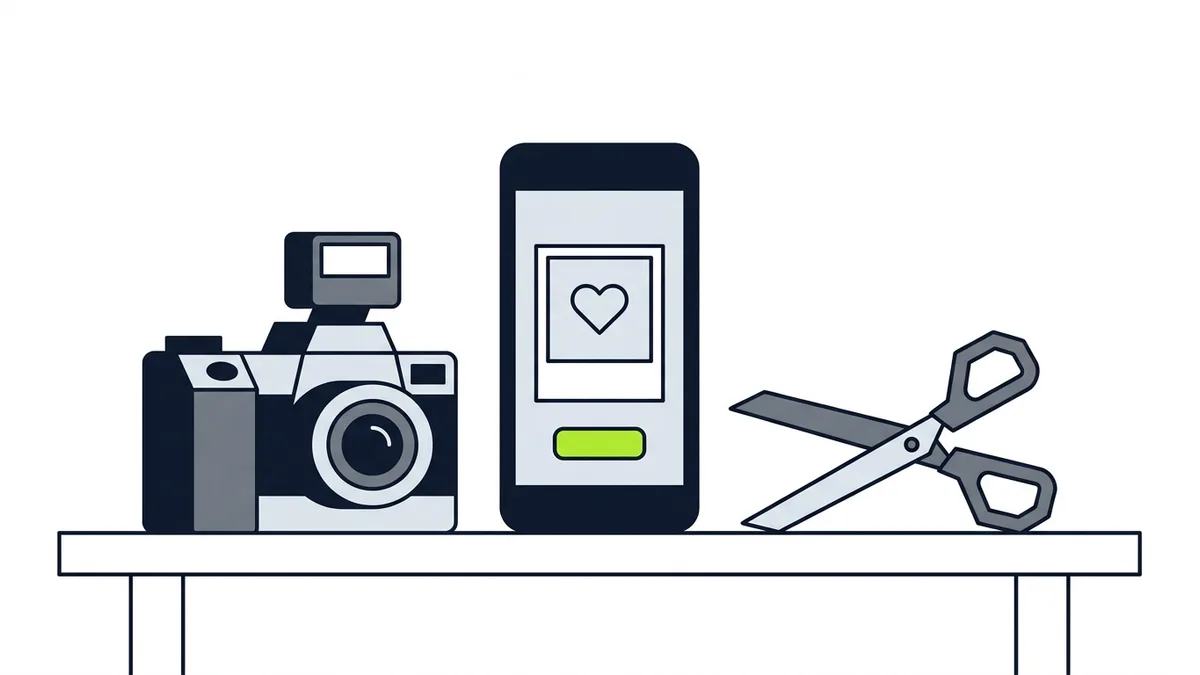
Most weak Meta ads fail for the same few reasons. They look like ads, they say too much, or they ask for nothing.
A real photo or short video of your work. Stock images are easy to scroll past. A photo of your actual team, your actual results, or your actual shop earns more trust, and it costs nothing but a few minutes with a phone. Good light and a clean frame matter more than expensive equipment.
One clear message in the first line. Say what you do, who it is for, and where. "Spring lawn cleanup for homes in your neighborhood" beats "We are a full-service landscaping company dedicated to excellence."
One action. Choose a single next step: send a message, call, fill out a short form, or book online. Do not make people choose between four options. If your best conversations happen on WhatsApp, Messenger, or by phone, send people there.
A destination that works on a phone. Most people will tap from their phone. If the page loads slowly, hides the phone number, or has a long form, the ad money is wasted after the click. The page should repeat the offer from the ad, so the person feels they landed in the right place.
Proof near the offer. People check a business before they buy. According to BrightLocal's 2025 survey, 74% of consumers check at least 2 review sites before making a purchase decision (BrightLocal, 2025, via SearchLab Digital, accessed Sept. 2026). A prospect who sees your ad may look you up right after, so your Google reviews and your social profiles should look alive. Our guide to getting more Google reviews shows how to build that proof.
Follow Meta's rules for your category. Platform options and advertising policies change, so check Meta's current ones for your type of business before you launch, and pick the objective that matches the action you want, such as messages or leads, rather than the one that sounds biggest.
What to Measure
The most common measurement mistake is counting what is easy to count. Likes, reach, and impressions are easy. They are also the numbers least connected to revenue.
Track the chain from the ad to the job:
- Leads. How many people messaged, called, or filled out the form because of the ad? Ask every new customer how they found you, and record the answer. Even a simple spreadsheet works.
- Cost per lead. Total ad spend divided by the number of real leads. Count real conversations, not accidental taps. As a purely illustrative example, if you spent $300 and got 10 real inquiries, your cost per lead is $30.
- Booked jobs. How many of those leads became appointments or paid work? A cheap lead that never books is not cheap.
- Cost per booked job. Spend divided by booked jobs. This is the number to compare against what a customer is worth to you.
- Customer value. A first job may barely cover the ad cost, while a repeat customer pays for it many times over. Know what a typical customer is worth before judging the campaign.
Then look at the weak link. Many leads but few bookings usually means a follow-up problem or an offer that attracts the wrong people. Few leads from many views usually means the ad or the offer is not clear. Plenty of clicks and no leads usually means the page needs work.
A new campaign also needs room to gather data, and there is no fixed date by which results should appear. Changing everything every day makes it impossible to learn what worked. Change one thing at a time: the offer, the photo, or the first line, and keep notes.
Do not forget the human part. Respond to messages quickly and in a friendly way. A lead who waits for an answer will often move on to the next business, and no ad can fix that. If you want a deeper look at how paid channels fit together and how to build a budget from your own job numbers, read the paid ads cost guide for local businesses. To see how we approach the work, visit the paid advertising services page.
When Facebook and Instagram Ads Are Not the First Move
Meta ads are a poor first step when the basics are missing. If your Google Business Profile is not set up, your website does not show your phone number clearly, or nobody is available to answer new inquiries, start there. Ads send people to your business, and the business has to be ready to receive them. If your customers mostly search when they need you urgently, search ads or local SEO may deserve the first dollar instead.
Frequently Asked Questions
Is it worth running Facebook ads for a local business?
It can be, when the service is visual, seasonal, or something people want rather than urgently need, and when you have a clear offer and a way to follow up quickly. It is a weaker first choice for emergencies, where customers are already searching on Google. The honest test is small: run one offer in one area and measure leads and booked jobs.
Should I boost posts or run real ads?
Boosting a post is convenient, but it tends to reward the same thing a post does: engagement. For a local business trying to book work, build the campaign around the action you want, such as messages or leads, and choose the objective in Ads Manager that matches it.
What should my first Facebook ad offer?
Something small, clear, and local: a first-visit special, a free estimate, a seasonal promotion, or an honest booking opening. Pick one offer and one action. Avoid selling your largest service to a cold audience in a single ad.
How do I know if my ads are working?
Count leads and booked jobs, then divide your spend by each. Ask every new customer how they found you. Likes, reach, and clicks are useful for diagnosing a problem, but they do not tell you whether the campaign made money.
Do I need both Facebook and Google ads?
Not on day one. Start with the channel that matches how your customers buy. Over time, many local businesses use search to catch urgent demand and Meta to stay visible and fill slower periods.
What You Take Away from This
Facebook and Instagram ads work when they are given a specific job: introduce your business to nearby people who were not looking yet, with an offer that is easy to accept.
- Meta creates demand. Google captures it. Plan each one differently.
- Start with one simple local offer, one audience, and one action.
- Use real photos of your work and send people to a page that works on a phone.
- Measure leads, booked jobs, and cost per booked job, not likes.
- Fix follow-up and the basics before spending more.
Tell me how your business is doing today and I will tell you where ads or local search pay off first. Send a message on WhatsApp and we will look at it together. The diagnosis is free, no deadline.
Sources
- IAB / PwC, "Internet Advertising Revenue Report: Full Year 2025", 2026, retrieved Sept. 2026, https://www.iab.com/news/digital-ad-revenue-climbs-to-nearly-300b-as-iab-celebrates-30-year-anniversary/
- BrightLocal, "Local Consumer Review Survey 2025" (via SearchLab Digital), 2025, retrieved Sept. 2026, https://searchlabdigital.com/blog/data-from-brightlocals-consumer-review-survey/