
Restaurant Marketing Ideas That Bring Local Customers Through the Door
2026-10-13 · by Lin Zeri
The food matters, of course, but the first decision happens earlier, on a phone: someone nearby is hungry, types a few words, scrolls through three or four options and picks one. If you are not one of those options, or if you look like a risky choice, the meal goes to someone else.
That is the real job of restaurant marketing for an independent owner. You are trying to be easy to find, easy to trust and easy to choose for the people who already live, work or walk within a few blocks of your door. This guide gives you nine ideas, in the order most owners should tackle them.
Key Takeaways
- Start with the free, high-impact basics: a complete Google Business Profile, real photos and accurate hours.
- Reviews work twice: they feed local ranking and they are what a hungry stranger reads before choosing. Ask every guest the same way and reply to what people write.
- Google says you cannot pay for a better local ranking, so the work you control is relevance, accuracy and reputation.
- Paid search can help, but only after the basics are solid and you can measure calls and visits.
- Speak the language of your neighborhood, in your menu, your profile and your replies.
1. Treat Your Google Business Profile as Your Real Front Door
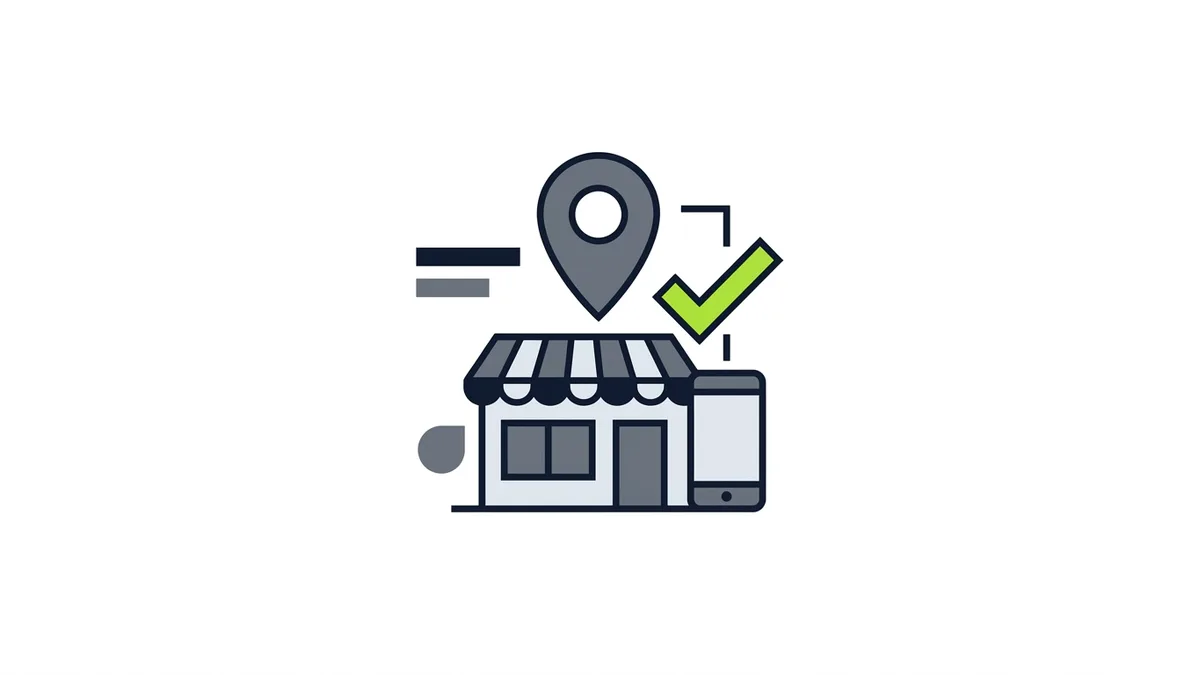
For most neighborhood restaurants, the first impression is not the sign over the door. It is the Google listing that shows up when someone searches "restaurants near me" or the name of a dish. Google says local results are mainly based on relevance, distance and popularity, and that popularity depends partly on how many reviews you have (Google, "Improve your local ranking on Google", Google Business Profile Help, accessed Oct. 2026). Google also says there is no way to request or pay for a better local ranking on Google.
Two of those three factors are largely out of your hands: you cannot move your building, and you cannot make Google rank you first. What you can do is make your profile the most accurate and complete version of your restaurant:
- Use your real business name. Google's guidelines say that including unnecessary information in your business name is not permitted (Google, "Guidelines for representing your business on Google", Business Profile Help, accessed Oct. 2026). Skip the "Best Tacos Downtown Cheap" version of your name.
- Pick the category that describes your core business, and use as few categories as possible.
- Keep hours current, including holidays and early closings.
- Use a local phone number that a person answers.
- Add the links that matter: menu, reservations or ordering, and your website.
Verify the profile if you have not. Google says you need to verify your business to edit your business info and interact with customers (Google, "Verify your business", Business Profile Help, accessed Oct. 2026). For a longer walkthrough, see the Google Business Profile optimization checklist.
2. Show the Food and the Room With Real Photos
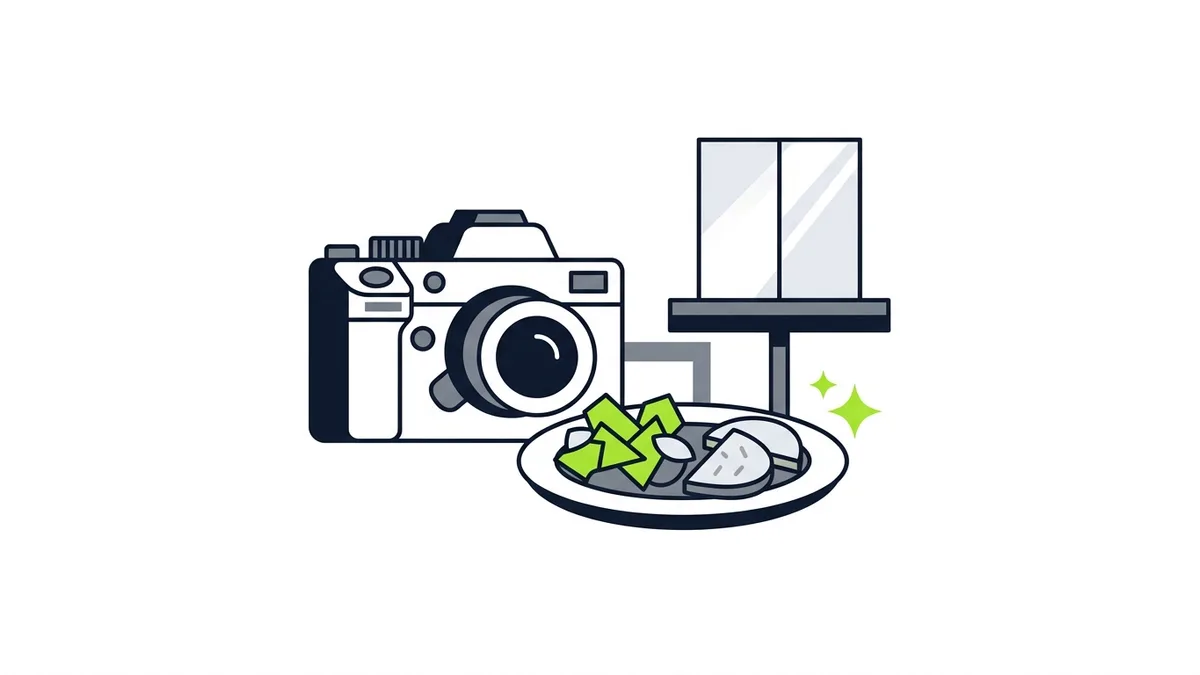
People choose a restaurant with their eyes first. A hungry person looking at a phone wants to see what they will eat, what the room feels like and whether it looks like their kind of place.
A few habits make a big difference, and none of them require a professional studio:
- Photograph your most popular dishes in natural light, from a normal angle, on the plate as you actually serve it.
- Show the space, so a first-time guest can tell a quick counter spot from a sit-down evening.
- Refresh photos when the menu or the room changes.
Nobody can honestly tell you how many extra customers a photo brings, because we have no verified restaurant-specific data on it. What is safe to say is simpler: a listing with clear, current photos gives a stranger more reasons to pick you than one with none.
3. Ask Every Guest for a Review, the Same Way
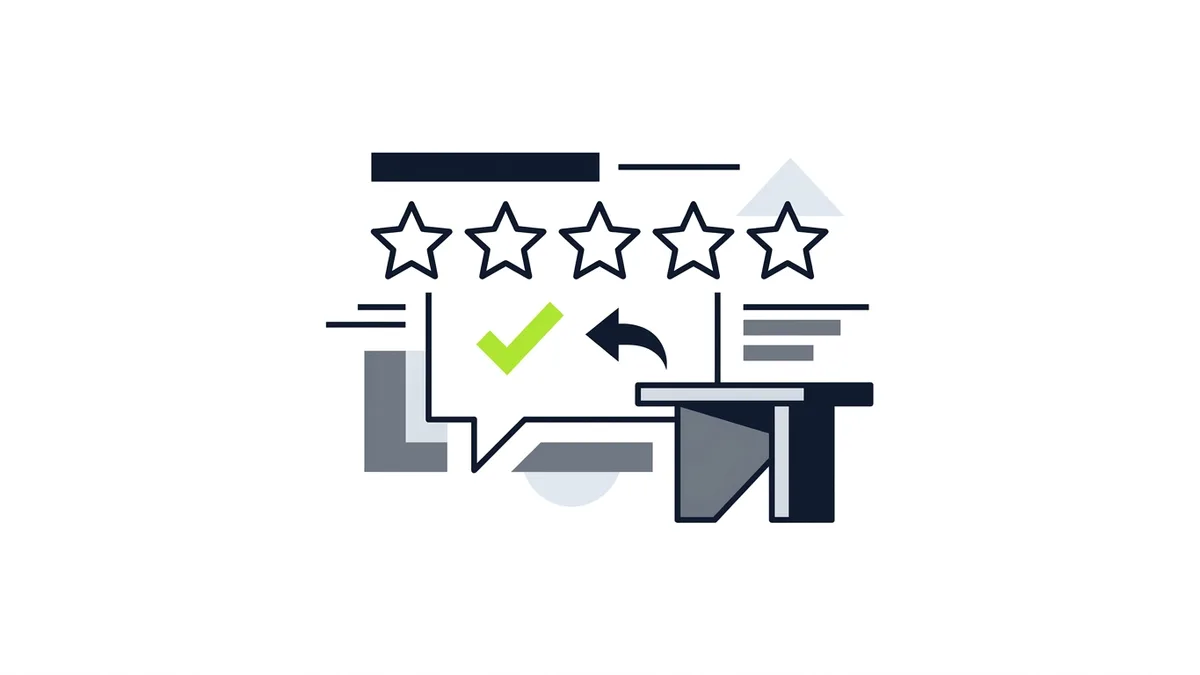
Reviews are the closest thing a restaurant has to a public reputation. In BrightLocal's 2026 survey of 1,002 U.S. adults, 31% said they will only use businesses rated 4.5 stars or higher, and 41% said they now always read reviews when browsing for a business (BrightLocal, 2026, via PinMeTo, accessed Oct. 2026). Those are stated preferences in a survey, not observed behavior, but they show why a thin or stale review profile is a risk.
Here is how to build the habit without breaking Google's rules:
- Ask with a link or QR code. Google tells business owners they can ask customers for reviews with a link or QR code (Google, "Ask for Google reviews", Business Profile Help, accessed Oct. 2026). A small card with the code at the register or on the check presenter is enough.
- Never offer a reward. Offering free or discounted food in exchange for reviews is classed as fake and misleading content and is strictly prohibited on the same page. No free dessert for five stars.
- Do not cherry-pick. Google's content policy lists selectively soliciting positive reviews as a violation (Google, Business Profile Help, accessed Oct. 2026). Ask everyone the same way.
- Do not pressure people at the table. Google's policy says merchants should not require or pressure users to leave reviews while on the premises.
Our guide on how to get Google reviews has wording you can adapt.
4. Reply to Reviews Like a Host, Not a Lawyer
Replying is part of the marketing, because the next guest reads your answer as well as the complaint. In the same 2026 BrightLocal survey, 80% said they are more likely to use a business that replies to all of its reviews, and 74% look for reviews written in the last three months (same source, accessed Oct. 2026). Again, that is what people say, not a measured outcome, but the message is consistent: an answered, recent review page looks like a place that pays attention.
Google notes that you must verify your business before you can reply, and that the person who wrote the review is notified when you reply (Google, "Manage customer reviews", Business Profile Help, accessed Oct. 2026). So your reply reaches the guest, and it also shows every future reader how you treat people.
Some practical rules:
- Thank people for good reviews, mentioning something specific when you can.
- Answer complaints calmly and briefly. Acknowledge the problem, apologize sincerely if you made a mistake and invite the person to contact you directly if it is complicated. Google's guidance is to keep replies professional, polite, short and relevant, and not to use a reply to push offers.
- Never share private details about the guest or attack them personally.
If a review stings, read how to respond to negative Google reviews before you type anything.
5. Be Consistent Everywhere People Compare You
Hungry people often check more than one place before deciding. BrightLocal's 2025 survey found that 74% of consumers check at least 2 review sites before making a purchase decision, and that 83% said they use Google to read reviews, followed by 48% using local news, 44% using Yelp, 40% using Facebook and 34% using YouTube (BrightLocal, 2025, via SearchLab Digital, accessed Sep. 2026). That is the 2025 edition, a separate survey from the one above, and it describes consumers in general, not restaurant guests in particular.
The practical lesson is modest: do not let the second place a guest checks contradict the first. Keep your name, address, phone number, hours, menu links and photos identical on every listing you control, and give one person on your team the job of owning that.
6. Make Your Website Do One Job: Answer the Guest's Question
You do not need a complicated site. A hungry person on a phone wants five things, fast: what you serve, where you are, when you are open, how to reach you, and how to order or reserve.
- Put the menu on the page as real text that loads on a phone, rather than burying it in an image or a file that is hard to read.
- Put the address, hours and phone number at the top, with the phone number set up to call with one tap.
If your guests speak more than one language, the site should too. We cover that in idea 8, and in our guide to a bilingual website for a small business. Our SEO service page explains how local search work fits together.
7. Use Local Search Ads, but Only After the Basics Work
Paid ads can put your restaurant in front of people searching nearby, but they amplify whatever is already there. An ad that sends a hungry person to an outdated listing, an unreadable menu or a phone nobody answers is money handed to the competition.
If you are ready to test paid search, keep it small and measurable:
- Target a tight area around your restaurant.
- Track calls, direction requests and orders, so you know what came from the ad.
- Set the budget from your own numbers. Google's Keyword Planner can show estimated costs for keywords in your area once account setup and billing are complete (Google, "Use Keyword Planner", Google Ads Help, accessed Oct. 2026). We cannot give you a typical cost per customer for restaurants, because we have no verified data for it, and anyone who quotes you one without showing the source is guessing.
For how paid campaigns are usually structured, see the paid ads service page.
8. Speak the Language of Your Neighborhood
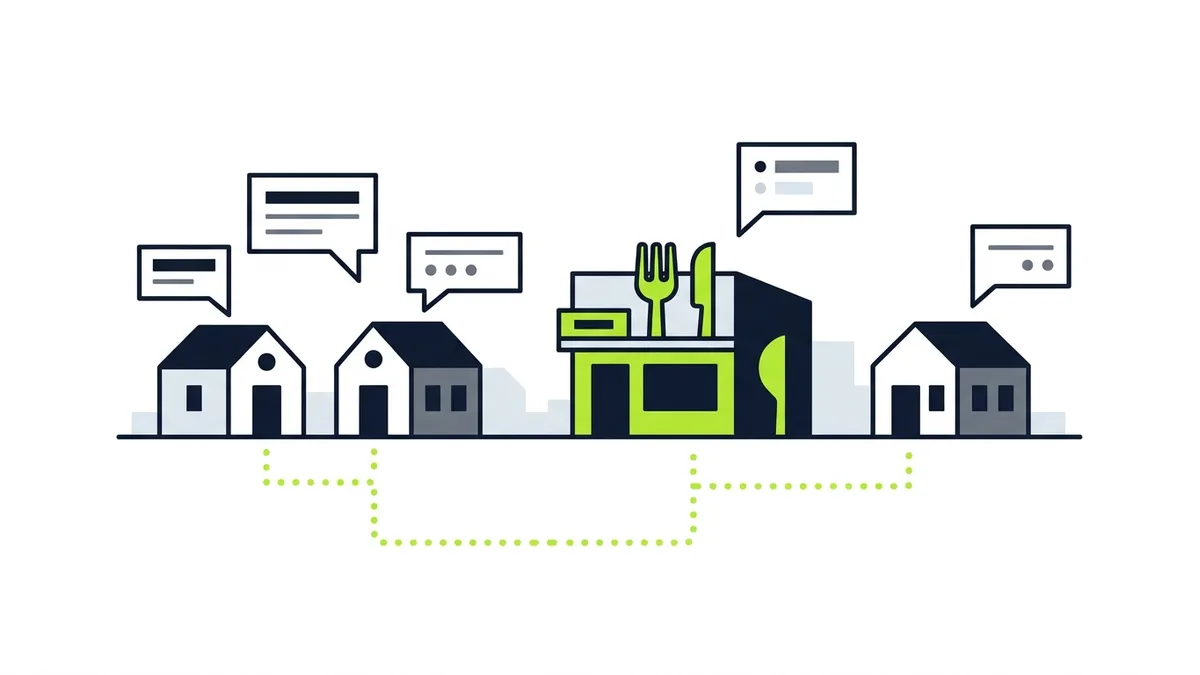
Immigrant entrepreneurship is a big part of the American restaurant scene. According to the SBA Office of Advocacy, immigrants owned 18.5% of U.S. employer firms in 2021, and accommodation and food services was among the industries with the highest share of immigrant owners, at 37.0% (SBA Office of Advocacy, 2024, via SBE Council, accessed Oct. 2026). That figure covers employer firms, not every food truck or home kitchen, but it makes a plain point: the person running a neighborhood restaurant may well be an immigrant, and the guests may share that background.
That has marketing consequences:
- Write the menu and the profile in the languages your guests use. If half your regulars read Spanish or Portuguese, the dish names and short descriptions should work for them too.
- Reply to reviews in the language they were written in, when you can do it well.
If you want to go deeper, see marketing to multilingual customers.
9. Turn First-Time Guests Into Regulars
A restaurant's most dependable customers are the ones who already know it. They already trust you, and they are the guests most likely to leave the kind of review a stranger believes.
A few simple ideas, none of which need special software:
- Ask for a way to stay in touch, such as a text list or email list people choose to join, and use it sparingly for real news: a new dish, a holiday menu, a special night. Keep messages short and make it easy to opt out.
- Remember people. A server who greets a regular by name builds loyalty that discounts rarely do.
- Work with your neighbors. Offices, schools, gyms and local events near you are natural places to be known.
For a broader view of what works across local businesses, see our industry playbook for local service businesses.
A Simple Order for Doing All of This
Start with the profile and photos, then the review habit, then consistency across listings, then the website. Add language that fits your guests and a way to reach regulars. Test local search ads last, with a small tracked budget, and review monthly what brought calls, visits and orders.
Frequently Asked Questions
What is the best marketing for a small restaurant?
There is no single best channel. For most independent restaurants, the foundation is a complete Google Business Profile, real photos, steady reviews with replies and a website that answers a hungry guest's questions quickly. Paid ads and email or text lists come after that.
How do I get more customers for my restaurant locally?
Be easy to find, easy to trust and easy to choose. Keep your Google listing accurate, show real photos, ask every guest for a review and reply to what people write. Then make it simple to reserve, order or call.
Can I pay Google to rank my restaurant higher on the map?
No. Google says there is no way to request or pay for a better local ranking. You can complete your profile, earn reviews and keep your information accurate, but you cannot buy the position.
Can I offer a discount in exchange for a Google review?
No. Google classes offering free or discounted goods or services in exchange for reviews as fake and misleading content, and it is strictly prohibited. Ask every guest the same way and let the review be honest.
Should my restaurant menu and profile be in more than one language?
If a meaningful share of your guests read another language, yes. Write dish names and short descriptions for the people who will read them, instead of translating word for word, and reply to reviews in the language they were written in when you can do it well.
Make Your Restaurant the Easy Choice
Restaurant marketing is mostly about removing doubt. A complete profile, honest photos, answered reviews and a website that works on a phone tell a hungry stranger this place is worth walking into.
Tell me about your restaurant, who your regulars are and where new guests find you today. I will tell you what to fix first and where local search or ads could help. Etuos brings more than 10 years of digital marketing experience to local businesses. The diagnosis is free, with no deadline: send a message on WhatsApp or visit the contact page.