
Roofing Marketing: Storm Leads, Referrals and the Long Sales Cycle
2026-09-21 · by Lin Zeri
A roof is one of the biggest purchases a homeowner makes, and most people make it rarely and reluctantly. Nobody wakes up excited to replace shingles. They start looking because something went wrong: a stain on the ceiling, a few shingles in the yard after a windstorm, or an inspector's note during a home sale.
That shapes everything about roofing marketing. The buyer is cautious, the ticket is large, several companies get quoted, and the decision can drag on. This guide covers how roofing leads actually arrive, how to handle storm demand without burning your budget, why referrals and reviews carry so much weight, and how to stay in front of a homeowner who is not ready to sign yet.
Key Takeaways
- Roofing leads come in two shapes: urgent (a leak or storm damage) and planned (an aging roof). Each needs its own message, page and follow-up.
- Storm demand arrives fast and fades. Preparation, such as a complete profile, reviews and a tested ad account, has to exist before the weather hits.
- Google says you cannot pay for a better local ranking, so reviews, a complete profile and accurate service areas are the work you control.
- Local Services Ads charge for valid leads, not clicks, but screening varies by category and region. Confirm eligibility before building a plan around them.
- In a long sales cycle, follow-up wins jobs. A quote that is sent and never followed up is a quote a competitor gets to answer.
Why Is Roofing Marketing Different From Other Home Services?
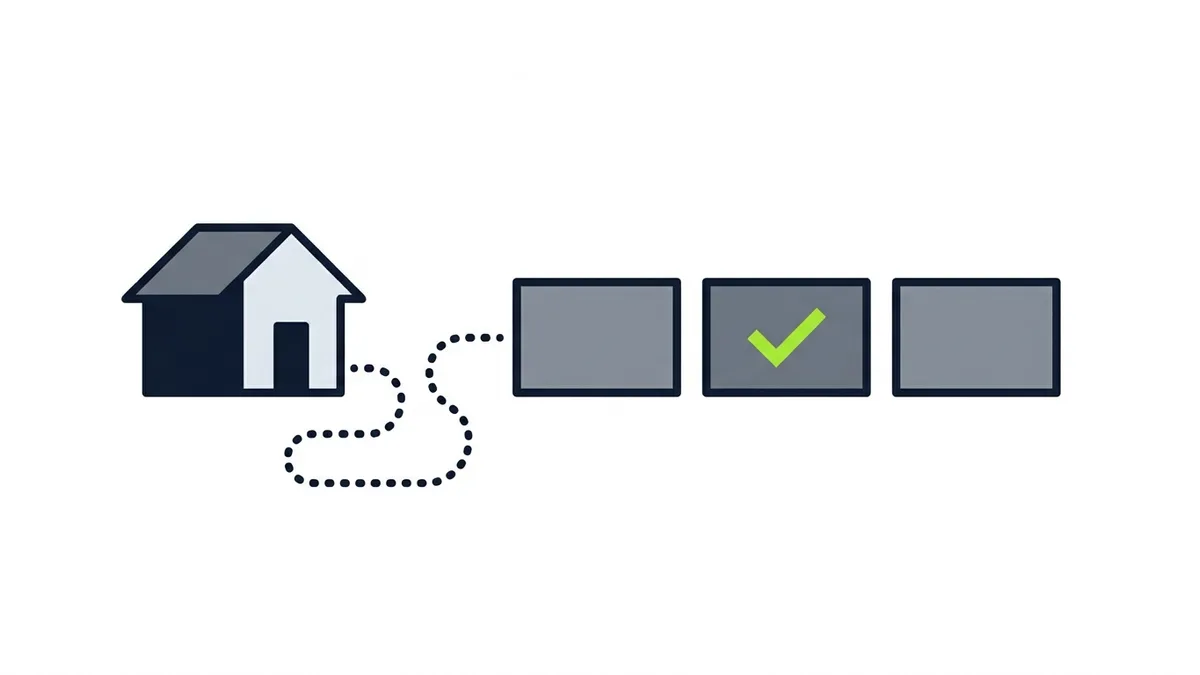
Roofing combines a high ticket, a rare purchase and a high-trust decision. Compare it with a service the homeowner buys every few months. A cleaner is booked on a convenience basis. A roofer is hired on a trust basis, because the homeowner cannot easily judge the work once it is finished and shingles cover it up.
Three things follow from that.
The homeowner compares. Expect the person who called you to also call others. Getting quotes from several companies is normal for large home projects, so your job is not only to be found but to be the company that feels safest.
Proof matters more than slogans. Photos of real roofs, reviews that describe the work and clear explanations do more than "quality you can trust." Anyone can write that line.
The sale is slow. Between the first call and a signed contract there may be an inspection, a quote, a conversation with an insurer, a conversation with a spouse and a second opinion. Marketing has to cover that whole stretch, not just the first click. For the broader channel picture across trades, see our guide to lead generation for contractors.
Urgent Repairs vs. Planned Replacements: Two Different Buyers
The emergency buyer searches "roof leak repair near me" or "emergency roof tarp." They want a person on the phone and a believable promise that someone will look at it. They are less likely to read long pages and more likely to call the first credible option.
The planned buyer searches differently: "how to know if I need a new roof," "roof replacement options," "best roofing company in [city]." They read, compare and ask questions. Trust, clear explanations and proof win this buyer, not urgency.
A common mistake is sending both to the same page. Build two paths:
| Urgent repair | Planned replacement | |
|---|---|---|
| Typical search | "roof leak repair near me" | "roof replacement company" |
| What they want | A fast answer, a call back | Trust, options, a clear quote |
| Best channels | Map listing, Local Services Ads, Search Ads | Reviews, website content, referrals, follow-up |
| Page needs | Phone button, service area, how you handle urgent calls | Process, what a quote includes, photos, reviews |
| Biggest risk | A missed call | A quote nobody follows up on |
How Do You Handle Storm Demand?
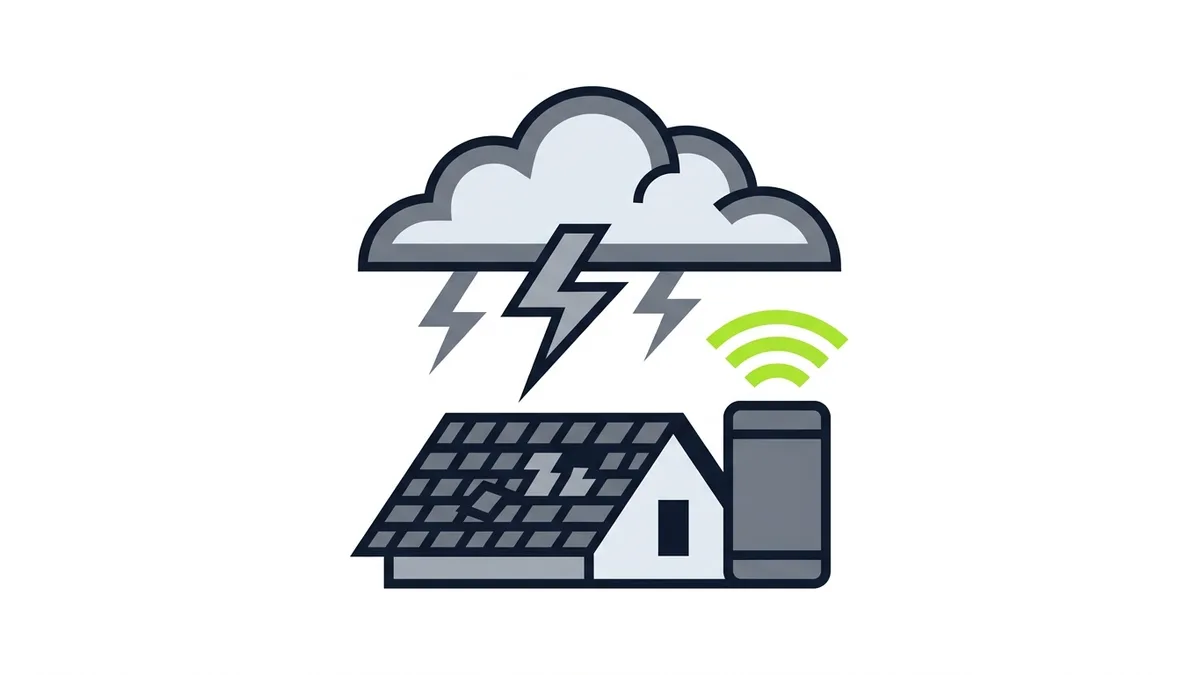
Storms create sudden demand. A wave of homeowners looks for a roofer in the same few days, and many roofing companies, including some from outside the area, respond at once. That is the worst moment to start building anything.
Treat storm season as two phases.
Before the weather: build the foundation. Anything that depends on Google learning about you, customers trusting you or an ad account collecting data should already exist:
- A complete Google Business Profile with the right category, an honest service area, services listed in plain language and recent photos of real jobs.
- A steady base of reviews, built over time and not in a panic. Google asks business owners to request reviews with a link or QR code and prohibits offering incentives (Google, "Ask for Google reviews", Business Profile Help, accessed Oct. 2026). Our guide to getting Google reviews has the scripts.
- A website with a phone number that works with one tap and a page for each service.
- A tested ad account, with conversion tracking and call tracking already working.
- A phone plan. Decide who answers, what happens after hours and how missed calls get returned. During a surge, a good campaign that sends calls to voicemail is money handed to the next roofer.
After the weather: move carefully. Once a storm hits, you can raise ad budgets or add messaging about inspections, and that is the right time for it. Keep the message calm and factual. A homeowner who just lost shingles is stressed and will notice pressure, so a company that explains what it will check and what happens next stands out from one that shouts about deals.
There is no honest way to say how long a storm surge lasts or how many leads it will bring, because that depends on the storm, the area and the competition. Plan capacity before you advertise. If your crews are booked, more leads only create more frustrated homeowners.
What About Insurance Claims?
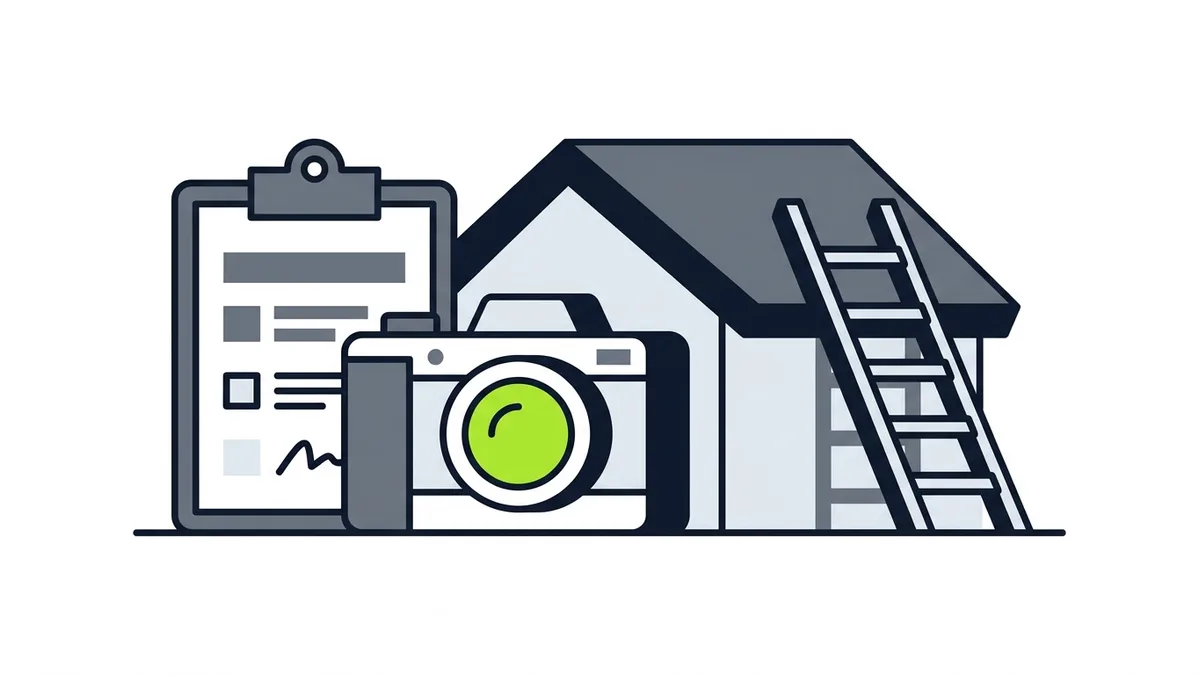
Many roofing jobs after a storm involve an insurance claim. For marketing, the lesson is simple: your content should help homeowners understand the process without you pretending to be their insurer or lawyer.
Useful content for this buyer includes:
- A plain-language page about what an inspection covers, what you photograph and what the homeowner receives afterward.
- Photo documentation as a service. Clear pictures of damage help a homeowner explain what happened, and they show you as careful and transparent.
Be careful with promises, and remember that the policy and the insurer decide coverage. Rules about claims, deductibles and what a contractor may offer or say vary by state and by policy. Check them for your market before publishing anything, and never guarantee that a claim will be approved. A roofer who overpromises on claims creates exactly the reviews and complaints that hurt the next sale.
Why Do Referrals and Reviews Matter So Much for Roofers?
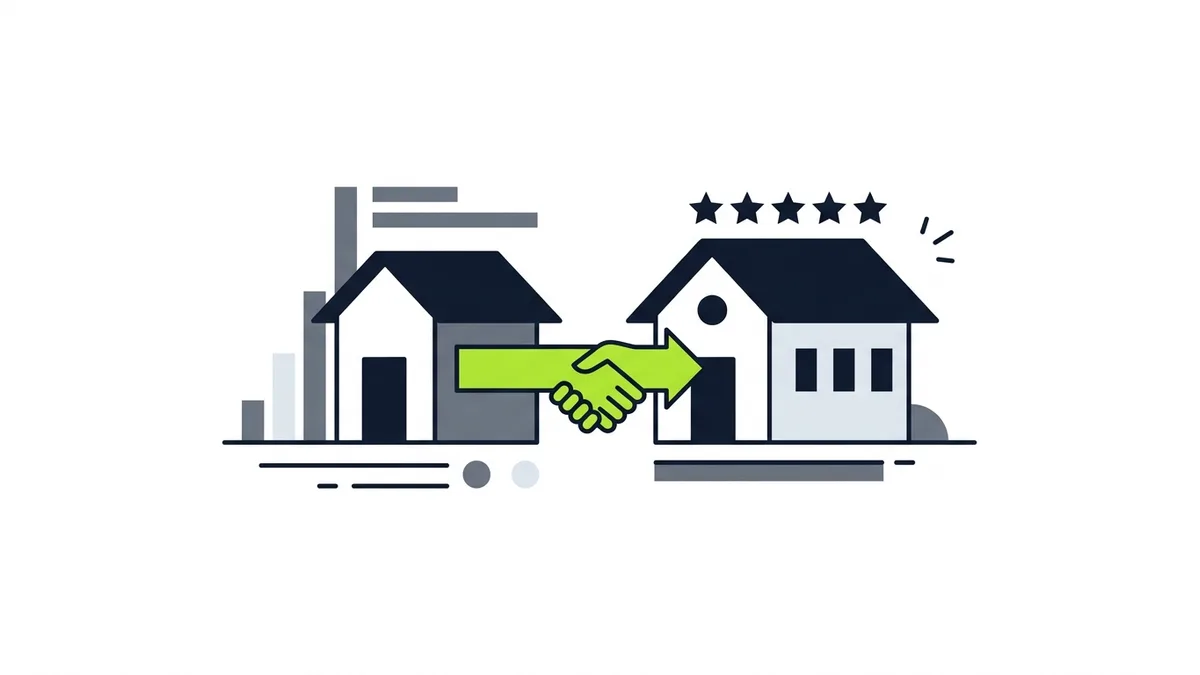
When a homeowner cannot judge the work, they borrow someone else's judgment. That is why a neighbor's recommendation and a page of reviews matter so much in this trade.
Google says it ranks local results mainly on relevance, distance and popularity, that popularity depends partly on how many reviews you have, and that there is no way to request or pay for a better local ranking (Google, "Improve your local ranking on Google", Google Business Profile Help, accessed Oct. 2026). Reviews are also what a cautious homeowner reads before calling. In BrightLocal's 2026 survey of 1,002 U.S. adults, 80% said they are more likely to use a business that replies to all of its reviews, and 74% look for reviews written in the last three months (BrightLocal, 2026, via PinMeTo, accessed Oct. 2026). Those are stated preferences in a survey, not observed behavior, but they point the same direction: recent, answered reviews help.
Practical habits for roofers:
- Ask at the right moment. The best time is right after the final walkthrough, when the homeowner sees the finished roof and the cleaned yard. Send the link by text so it takes one tap.
- Ask every customer, not only the happy ones. Google's content policy prohibits selectively soliciting positive reviews and offering incentives (Google, Business Profile Help, accessed Oct. 2026). Ask everyone the same way.
- Invite detail. A review that mentions the type of job and the town helps the next homeowner see themselves in it.
- Reply to every review, including the bad ones, calmly and without offers. Our guide on responding to negative Google reviews covers the approach.
- Build a referral habit. Ask each satisfied customer whether a neighbor or relative has been thinking about their roof, and thank people who send work. It is simple, and it is usually the most ignored channel.
If your crew works out of a shop and travels to customers, check how your profile should be set up. Google tells service-area businesses to hide their business address from customers (Google, "Guidelines for representing your business on Google", Business Profile Help, accessed Oct. 2026).
Should Roofers Use Local Services Ads or Google Search Ads?
Often both, with realistic expectations and in the right order.
Local Services Ads (LSA) appear in Google Search and Maps. You pay for valid leads, such as phone calls and messages, rather than clicks (Google, "Local Services Ads transition to Performance Max campaigns with pay-per-lead goals", Google Ads Help, accessed Sep. 2026). The badge is now called Google Verified (you may still hear the old name, Google Guaranteed). Google says advertisers go through screening that varies by category and region and may include license, insurance and background checks (Google, "How providers qualify for Local Services Ads", Local Services Help, accessed Oct. 2026). Check whether roofing qualifies in your area before you plan around it.
Two other details matter. Google says that if you regularly fail to answer calls or respond to messages, your ad ranking may be affected (Google, "Getting started with Local Services Ads", Local Services Help, accessed Oct. 2026). And lead prices may vary depending on your location, the job type, the type of lead or your bidding mode (Google, "How leads work", Local Services Help, accessed Oct. 2026). So no honest article can hand you a standard price per roofing lead. Your market decides. For a deeper comparison, read Local Services Ads vs. Google Ads.
Google Search Ads give you more control over keywords, message and landing page. That makes them the tool for separating the urgent campaign from the planned one.
Settings worth reviewing:
- Separate campaigns for urgent repair and replacement, so messages and budgets do not compete.
- Negative keywords to filter out job seekers, DIY searches and material shoppers, such as "roofing jobs" or "how to install shingles."
- Call and conversion tracking, so you know which campaigns produce calls that become signed jobs, not only clicks.
- A budget built from your own numbers. Google's Keyword Planner can estimate costs for your keywords and area once account setup and billing information are complete (Google, "Use Keyword Planner", Google Ads Help, accessed Oct. 2026). Illustratively, if an average job were worth $10,000 and you wanted to spend no more than 5% of it to win a job, you could afford $500 in advertising per signed job before profit. Replace those made-up numbers with your own.
For how we think about paid campaigns in general, see the paid ads service page.
How Do You Stay in Front of a Homeowner Who Is Not Ready?
Because roofing is a long sale, the follow-up often decides who gets the job. Many homeowners who request a quote simply are not ready to choose. They are waiting on an insurer, comparing bids or saving money. A company that disappears after sending the quote loses to one that checks in.
A simple follow-up routine:
- Send the quote in writing, with a short explanation of the options and what is included, so the homeowner can compare it fairly.
- Follow up by text or call a few times at natural intervals, each with a reason: a question to answer, an update, a reminder that your schedule is filling. No fixed schedule works for everyone, so adapt it to how the homeowner responds.
- Keep a simple list of open quotes with the date of the last contact and the next step. A spreadsheet is enough.
- Stay in touch after a no. A homeowner who chose another company this year may need you later, or know someone who does.
Your website supports this routine. A homeowner who comes back to compare should find clear service pages, photos, reviews and an easy way to reach you. If you are unsure whether a single landing page or a full site fits your plan, see landing page vs. website.
A Simple Roofing Marketing Plan
If you want a place to start, use this order:
- Fix the basics: the Google Business Profile, the website phone number and how calls get answered.
- Build the review and referral habit: ask every customer, reply to every review.
- Create separate pages and campaigns for urgent repair and planned replacement.
- Prepare for storm season before it arrives: tracking, phones, capacity and calm messaging.
- Check LSA eligibility and, if you qualify, start with a modest weekly budget you control.
- Add Google Search Ads for the keywords LSA does not reach.
- Run a follow-up routine for every open quote.
- Review monthly: which channel produced calls, which calls became signed jobs, and what each signed job cost to win.
For a similar seasonal playbook, see our HVAC marketing guide.
Frequently Asked Questions
What is the best marketing for a roofing company?
There is no single best channel. A complete Google Business Profile with steady reviews, referrals, a website that makes calling easy and paid search for urgent and planned work support each other. Start with the profile, the phones and the review habit, then add ads.
How do I get more roofing leads?
Be visible where homeowners look at the moment of need: the map results, Local Services Ads if you qualify and Google Search Ads. Then answer every call and follow up on every quote. A lead you miss is a lead a competitor gets.
Are Local Services Ads worth it for roofers?
They can be, because you pay for valid leads such as calls and messages rather than clicks. Screening varies by category and region, and lead prices vary by location, job type and other factors. Check your own market before committing a budget.
When should I advertise after a storm?
Preparation comes before the storm: profile, reviews, tracking and phones. After a storm, you can raise budgets and adjust messaging, but only if your crews can handle the work. There is no fixed length for a storm surge, so plan for capacity first.
Can I pay Google to rank higher in the map results?
No. Google says there is no way to request or pay for a better local ranking. You can complete your profile, earn reviews and keep your information accurate, but you cannot buy the position.
Get Ready Before the Next Storm
Roofing marketing is mostly trust, timing and follow-up. Know which buyer you are talking to, build proof before you need it, answer the phone and keep following up on a long sale. None of this requires a huge budget to start. It requires doing the basics before the rush instead of during it.
Tell me how your roofing company gets calls today and what part of the year you want to prepare for. I will tell you where ads or local search pay off first. Etuos brings more than 10 years of digital marketing experience to local businesses. The diagnosis is free, with no deadline: send a message on WhatsApp or visit the contact page. For other trades, see the industry playbook for local service businesses.